Partnership · Protection · Proximity · Practice
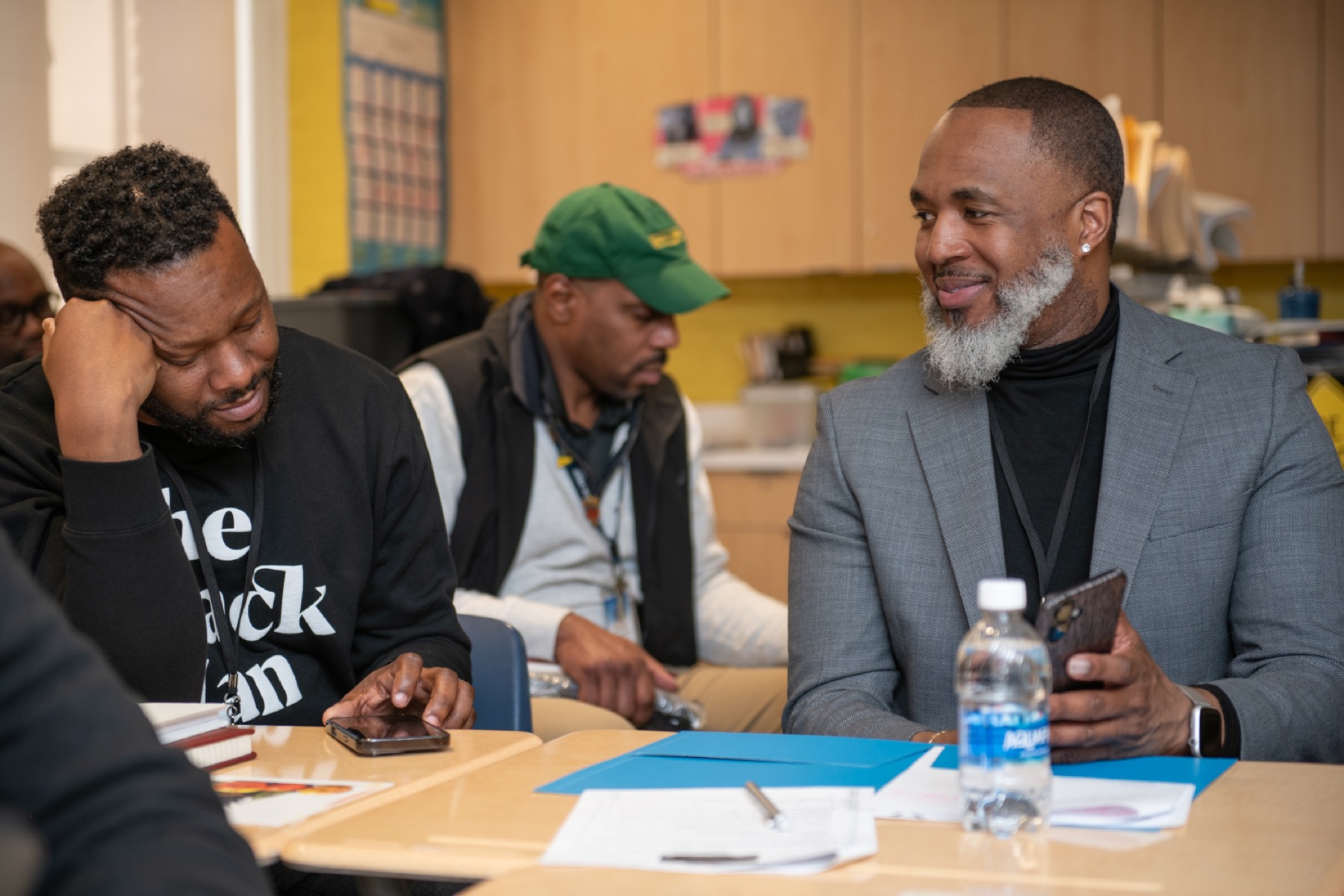
Black male educators in conversation during a NABME session

NABME · Flagship leadership program

The Athari Fellowship

Athari (Swahili): impact.

A brotherhood, a leadership lab and a healing space for Black male educators across the DMV.

Partnership · Protection · Proximity · Practice

What Athari is

Two years. One brotherhood.

The Athari Fellowship is NABME's flagship leadership development program for Black male educators across the DMV region. It is a brotherhood, a leadership lab, and a healing space, built on four pillars that anchor every session, retreat, and convening.

Athari is a two-year program. Fellows meet monthly with seasoned school leaders, travel together, retreat together, and practice new leadership moves in their own buildings, with feedback from the men beside them and the supervisors above them.

The Fellowship is co-facilitated by Shawn Hardnett and Dr. Rictor Craig.

The Athari model

Four pillars anchor every session, retreat and convening.

Partnership

Accountable, vulnerable relationships among brothers who share lived experience and a common purpose.
Protection

The psychological safety to lower the guard, name what hurts and ask hard questions without performance.

Proximity

Physical and relational nearness to leaders who have walked the road, collapsing the distance between aspiration and example.

Practice

Disciplined application of new frameworks to the daily work of leading schools, with feedback and reps.

The Athari Fellowship over the years

Each cohort builds on the last.

SY 2021⁠–⁠2024 · Three-year pilot

Cohort 1

8 Fellows · all 8 completed · 100% still in education · all 8 now in leadership roles

SY 2024⁠–⁠2026 · Complete

Cohort 2

10 Fellows · all 10 completed · 100% still in education · 7 promoted for SY 2026⁠–⁠27

SY 2025⁠–⁠2027 · Year 2

Cohort 3

3 Fellows continuing · Marquis Duncan promoted mid-program

SY 2026⁠–⁠2028 · Year 1

Cohort 4

8 new Fellows launched September 2026

2021⁠–⁠2026 · Five years in numbers

31 Fellows. Four cohorts. Every completer still in education.

Across five years and four cohorts, the Athari Fellowship has served thirty-one Black male educators through class sessions, residential retreats, the Black Male Educator Capital Summit at Howard University, and the BMEC-Philly convening.

31Fellows served across four cohorts
100%Cohort 1 and 2 Fellows still in education (18 of 18)
83%Cohort 1 and 2 Fellows in leadership roles (15 of 18)
+104%Avg. growth in adaptive leadership
6Fellows promoted mid-program · Cohorts 1, 2 and 3
19Class sessions · 87% attendance
4.10/5Supervisor 360 leadership rating
9.9/10Capital Summit likelihood to recommend
4.83/5Networking with Black male educators

Read the Athari impact report

Cohorts 1 and 2 · The headline

100% retained. 83% in leadership.

Across Cohorts 1 and 2, all 18 Fellows are still in education, and 15 of 18 hold formal leadership positions. Six Fellows across Cohorts 1, 2 and 3 were promoted mid-program.

Where they lead today

  • 1 Principal
  • 7 Deans
  • 2 Assistant Principals
  • 2 Directors
  • 2 Coordinators
  • 1 Grade Level Lead

Mid-program promotions: 4 Cohort 1 Fellows during the pilot's first year · LaBront Makle (Cohort 2) → Associate Director of Compliance, KIPP DC · Marquis Duncan (Cohort 3) → Instructional Leadership Coach

Where our Fellows lead

Our Fellows, in their roles today.

Cohort 1 · SY 2021⁠–⁠2024

  • Math Instructor → Director of Instruction (Principal)Statesmen Academy for Boys
  • ELA Instructor → Dean of InstructionE.L. Haynes PCS
  • ELA Specialist → Assistant PrincipalFrederick Douglass HS (Baltimore)
  • Behavior Tech → Behavior Support CoordinatorStatesmen Academy for Boys
  • ELA Instructor → Grade Level LeadWashington Leadership Academy PCS
  • Math Instructor → Academy Director (AP)Friendship Public Charter Schools
  • Ed Tech Coach → IB PYP CoordinatorFriendship Public Charter Schools
  • Physical Health Instructor → Dean of SchoolsDistrict of Columbia Public Schools

Cohort 2 · SY 2024⁠–⁠2026

  • Director of Literacy (SY 26⁠–⁠27; formerly Vice Principal, KIPP DC)Ingenuity Prep PCS
  • English Teacher → Dean of Instruction (SY 26⁠–⁠27)Statesmen College Prep
  • Dean of Students (SY 26⁠–⁠27; formerly STEM Teacher, Statesmen)Friendship Public Charter School
  • Lead Kings 101 Teacher → Dean of Instruction (SY 26⁠–⁠27)Statesmen Academy for Boys
  • Lead Kings Instructor → Dean of School Culture (SY 26⁠–⁠27)Statesmen College Prep
  • Associate Director of Compliance (promoted mid-program)KIPP DC
  • Dean of CultureKIPP Legacy College Prep
  • Director of Admissions, Enrollment, & CommunicationsBishop McNamara High School
  • PBIS Coordinator / Restorative Practices TeacherKIPP DC
  • Kings 6 Instructor → Dean of School Community and Culture (SY 26⁠–⁠27)Statesmen College Prep

Pillar IV · Practice

Fellows grew 80% to 124% in every leadership competency.

Athari measures leadership growth from three angles: Fellows' own self-assessment, 360 reviews completed by their direct supervisors, and before/after capability ratings. Across all three views, the evidence points the same direction.

Fellows grew 80% to 124% in every leadership competencySelf-rating before and after the Fellowship on a 1 to 4 scale, six Cohort 2 Fellows. Storytelling & Branding: 1.40 to 3.14, plus 124%; Challenging the Status Quo: 1.29 to 2.86, plus 122%; Fostering Inclusivity: 1.43 to 3.14, plus 120%; Embracing Uncertainty: 1.33 to 2.86, plus 114%; Impact Measurement: 1.43 to 2.86, plus 100%; Diagnosing Adaptive Challenges: 1.71 to 3.14, plus 83%; Emotional Intelligence: 1.67 to 3.00, plus 80%.1234Storytelling & Branding+124%Challenging the Status Quo+122%Fostering Inclusivity+120%Embracing Uncertainty+114%Impact Measurement+100%Diagnosing Adaptive Challenges+83%Emotional Intelligence+80%
BeforeAfter

Self-rating before vs. after the Fellowship · 1 = basic awareness, 4 = advanced (could teach it) · six Cohort 2 Fellows, end-of-year survey

3.94/5Fellow self-assessment across 20 leadership items
4.10/5Mid-year supervisor 360 across 24 dimensions · 83% Agree or Strongly Agree
+104%Average growth in adaptive leadership capability
“He advocates effectively for both his students and the teaching team he leads. When he identifies a school system in need of refinement, he does not wait for others to find a solution; instead, he takes the initiative to spearhead the work and present a viable option to the team.”Direct Supervisor of a Cohort 2 Fellow

Inside an Athari year
Leadership is built in the room, on the road and at the table.

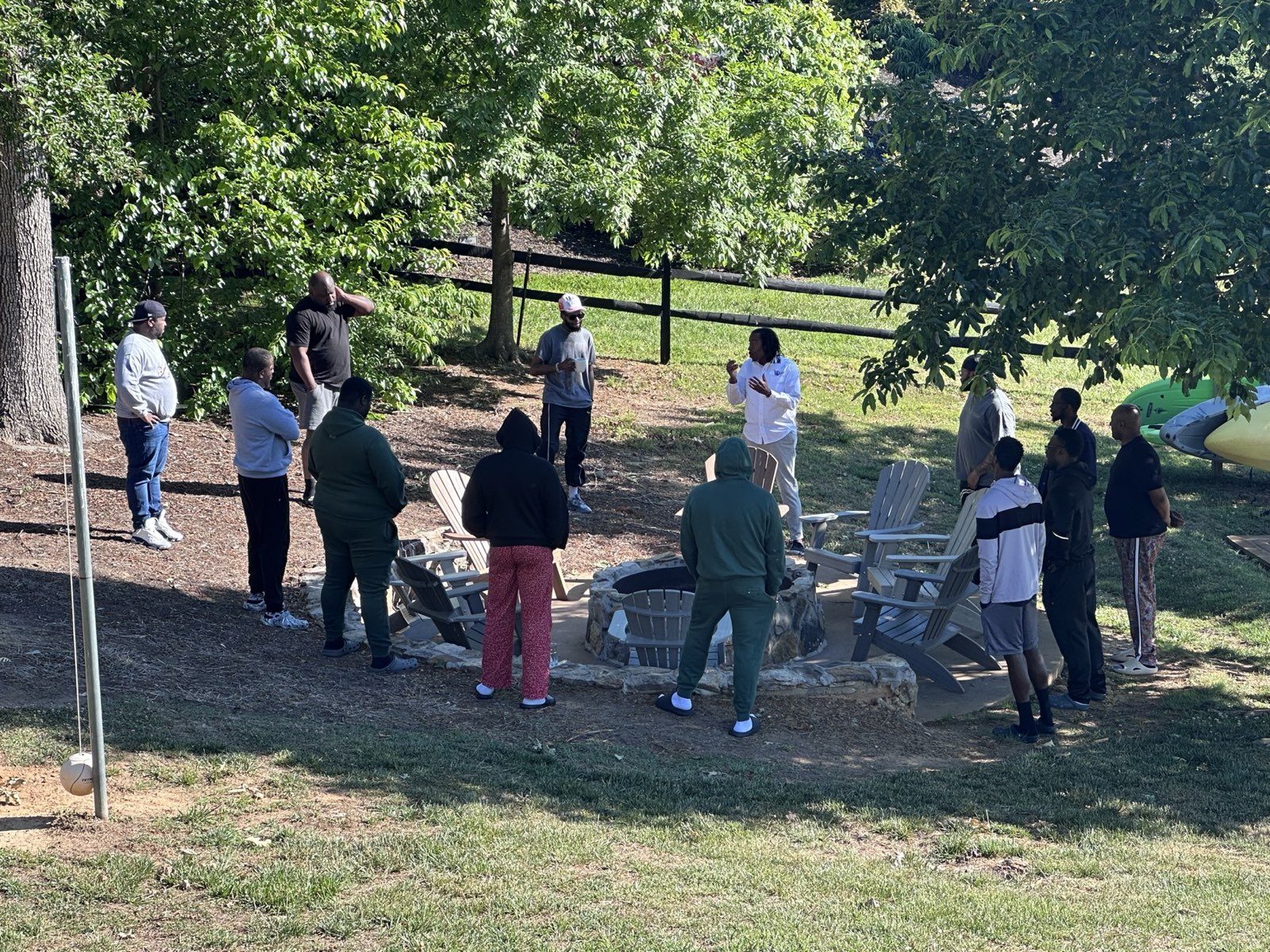
Fellows gathered on the lawn during the Athari retreat

Summer

Summer Retreat

Shared housing to launch the cohort and build trust from day one.
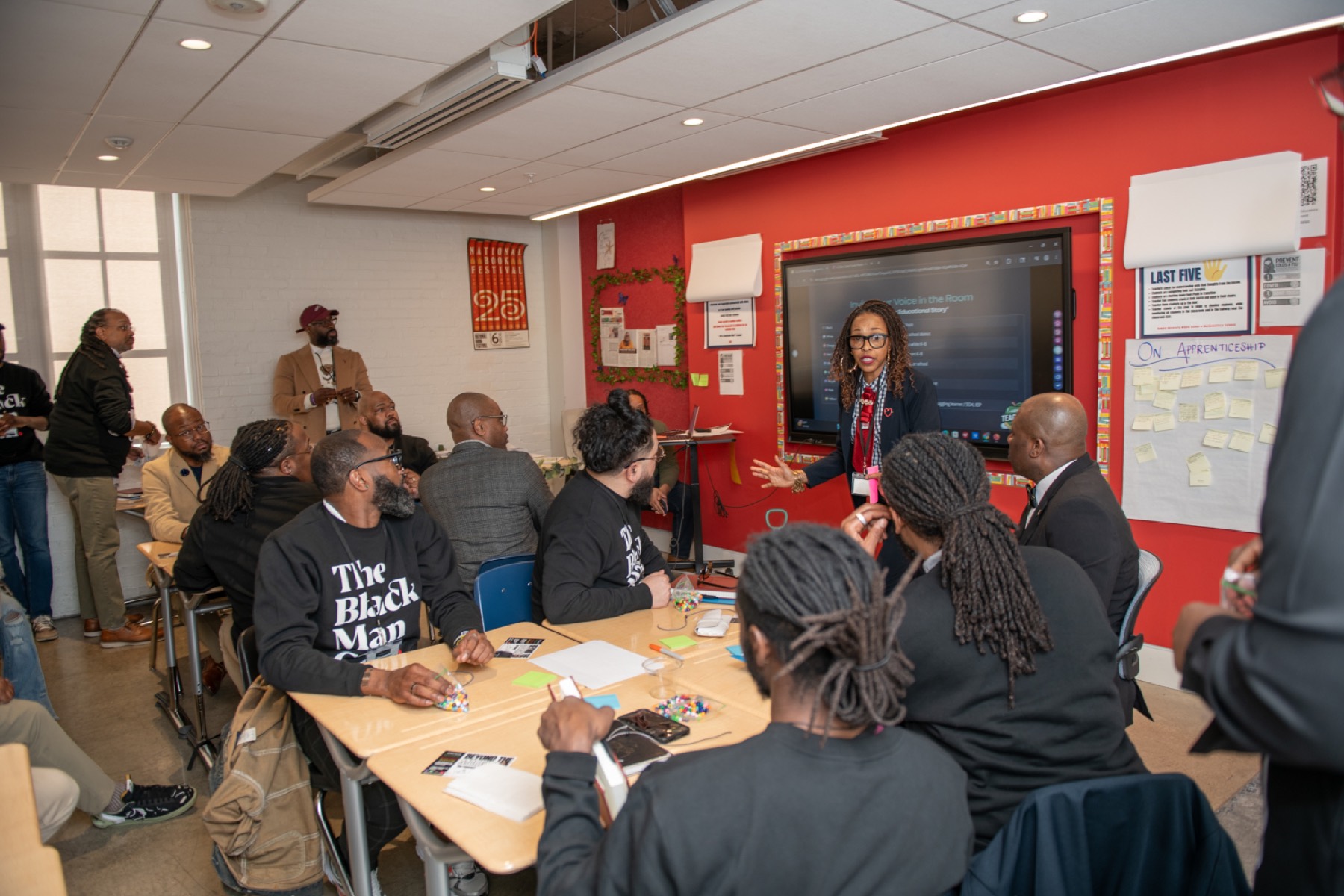
Educators at desks during a breakout session

Monthly

Leadership Classes

Co-facilitated by seasoned school leaders Shawn Hardnett and Dr. Rictor Craig.
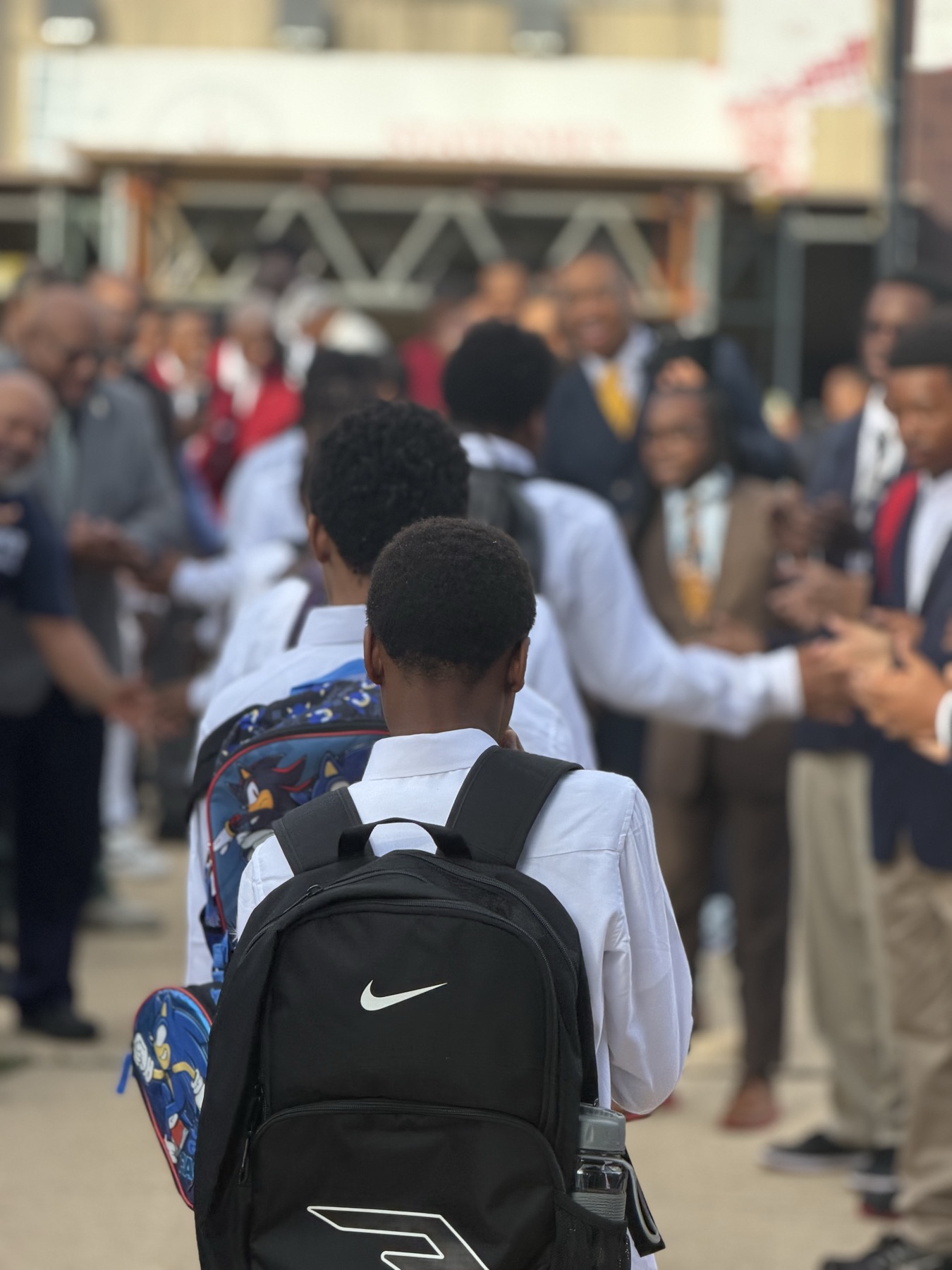
Boys arriving at school through a line of Black men cheering them on

On campus

Shadow Days

A day alongside sitting leaders at Statesmen Academy for Boys.
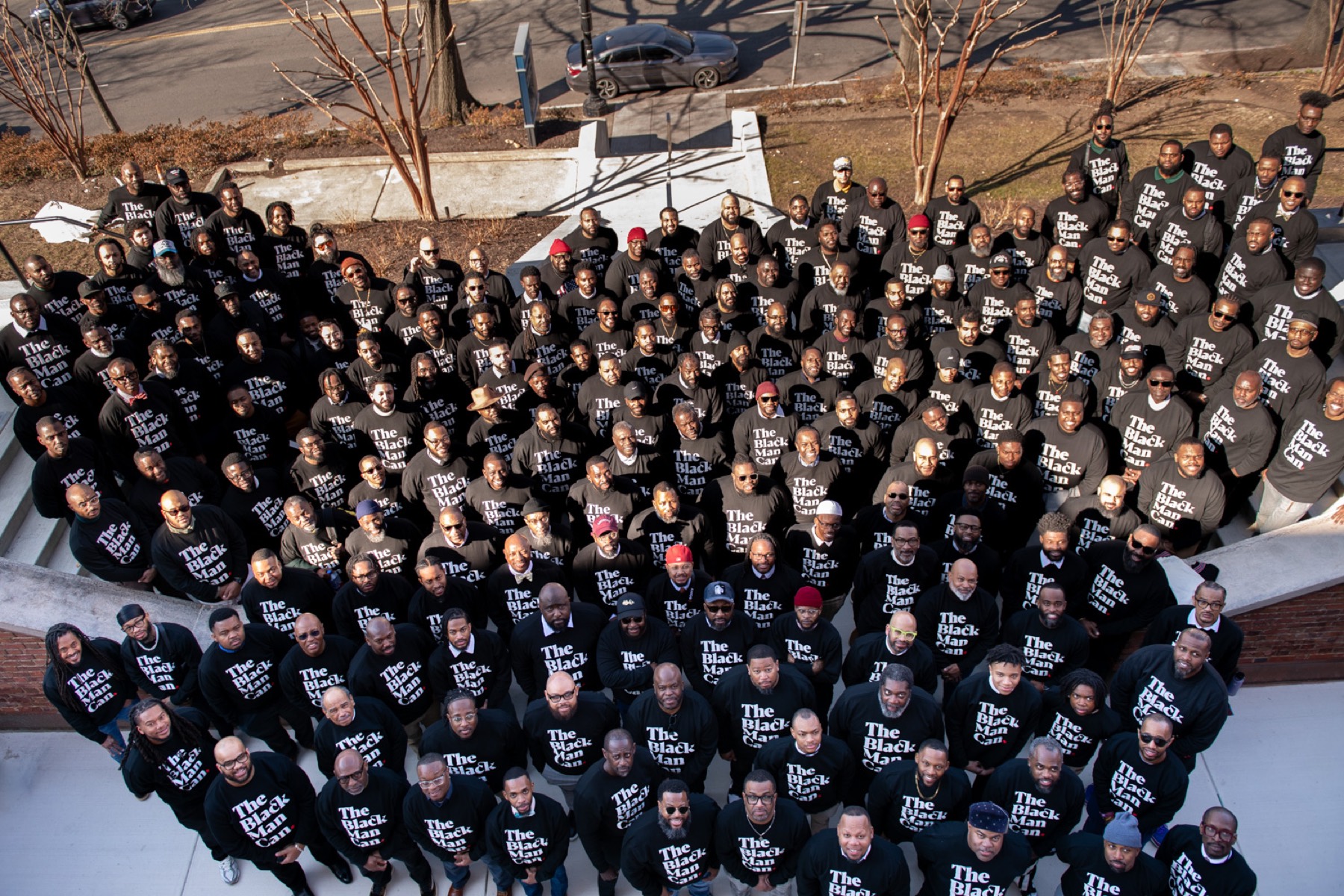
Hundreds of Black male educators gathered outside Howard University, seen from above

Winter

The Capital Summit

The field-wide convening of Black male educators that anchors the year.
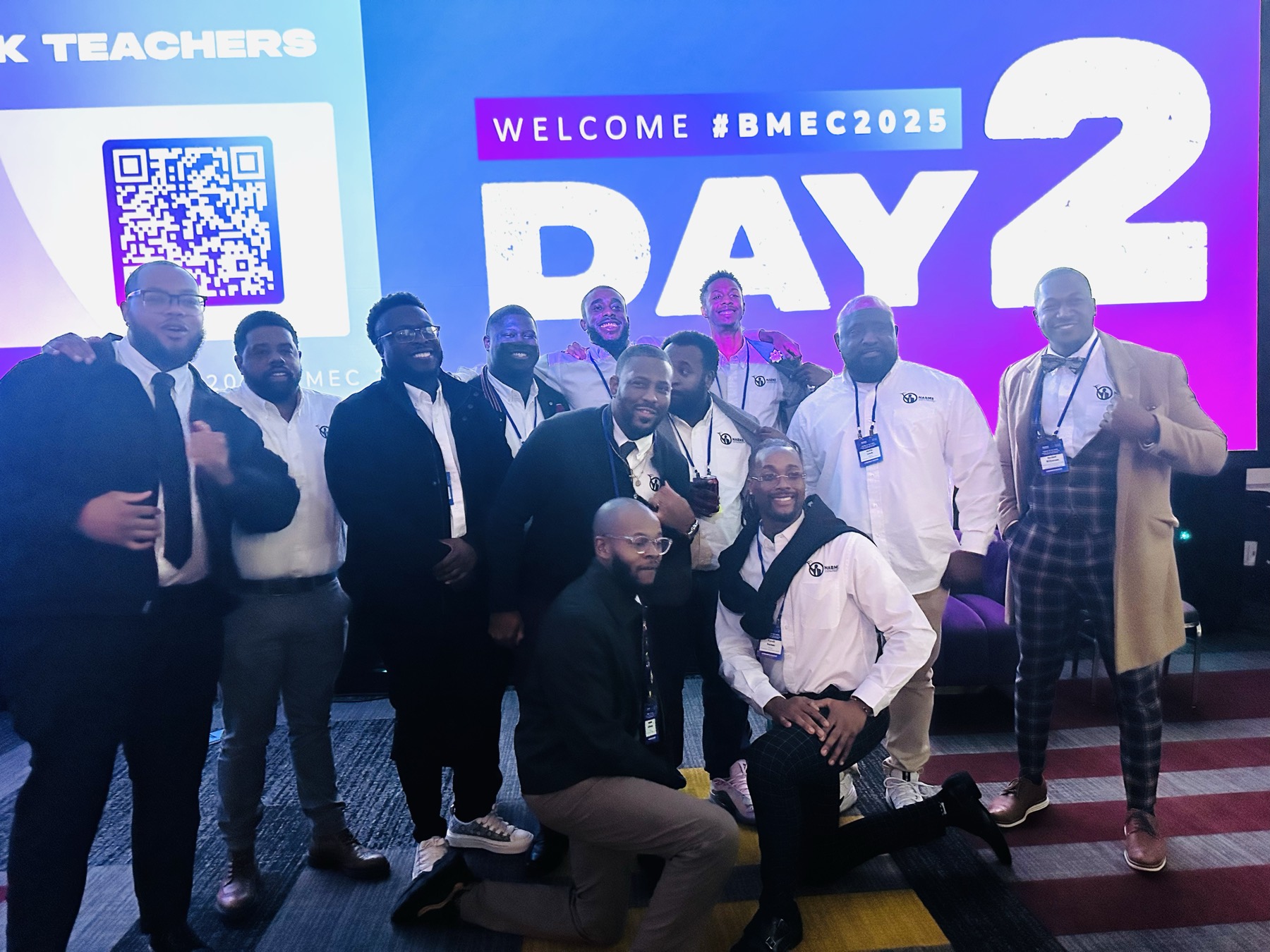
Athari Fellows with educators at the Black Male Educators Convening in Philadelphia

On the road

BMEC-Philly

A travel cohort to the national Black Male Educators Convening.
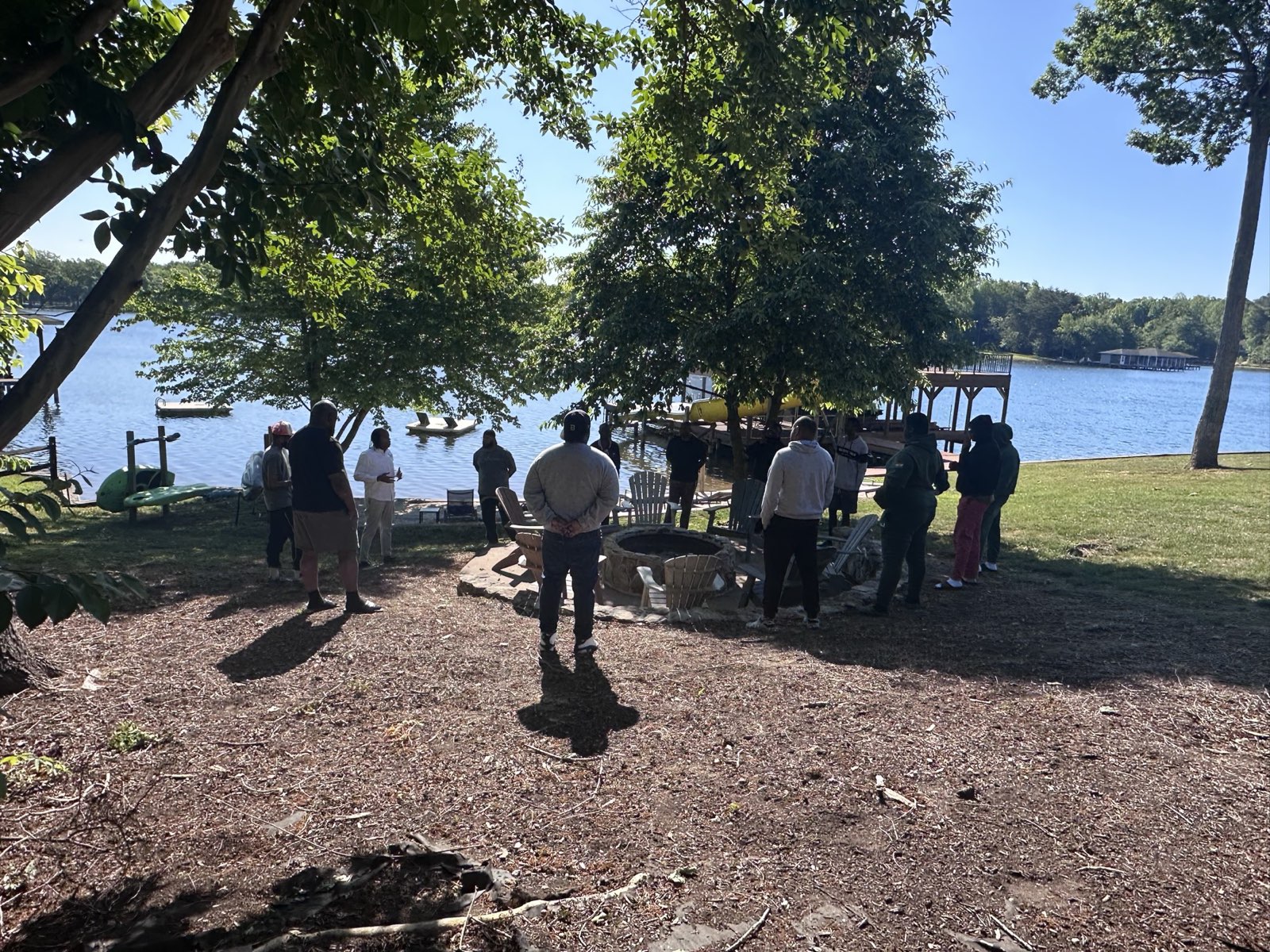
Athari Fellows outdoors by the lake at the retreat

Spring

The Lake House Retreat

Fireside dialogue and a cooking challenge, away from city, screens and school.

Fellow voices

In their own words.

My leadership evolution has been about learning to balance care with courage. Athari has helped me become more grounded, more reflective and more courageous.
Cohort 2 Fellow · End-of-year survey
It is excellent to know that I am not having an isolated experience, and that I can brainstorm with a group of Black men who are accomplished inside of urban education.
Athari Fellow, Cohort 2 · Program evaluation
Giving young professionals the rare opportunity to stand shoulder to shoulder with some of the most accomplished people in this space was genuinely life-changing.
Athari Fellow · April 2026 program evaluation

“Having meaningful and motivating conversations with Mr. Craig and Mr. Hardnett gave way to such invigorating feelings about the potential impact we can make in education. Them speaking life into us brought forth so much affirmation and confidence about our journey.”

Cohort 3 Fellow

“I overall enjoyed and was heavily impacted by the experience. I believe that the innovative and fine-tailored development of Black men done as part of this fellowship is one of a kind.”

Jarrell Pittman, Cohort 2

Looking ahead · SY 2026⁠–⁠2027

We listen to our Fellows.

This year we are adding a published scope and sequence with anchoring texts, a Fellow-facing digital library of frameworks and tools, quarterly peer coaching triads, expanded shadow days and one-on-one coaching, and an Athari Alumni network.

For educators

Join the interest list for the next cohort.

Be first to hear when applications open for Cohort 5.

Read the Athari Fellowship Impact Report, 2021⁠–⁠2026, or open the full report deck.

This field is required.
Enter a valid email address.
This field is required.

You're on the list.

We'll email you when applications open for the next Athari cohort.

To the Black men of Athari, who showed up and told us the truth: thank you.

Stay updated

The movement, in your inbox.

Summit news, Athari updates, new jobs for Black male educators. One email a month.